A four-kilometre line with an outsized effect
The Johor Bahru to Singapore Rapid Transit System Link is short on a map. It runs roughly four kilometres from Bukit Chagar in JB to Woodlands North in Singapore, crossing the Straits of Johor on its own bridge. Yet few projects have generated as much talk among apartment buyers in southern Johor. For anyone who has sat in Causeway traffic at six in the morning, the idea of a train ride measured in minutes is hard to ignore.
On the Malaysian side, the project is led by MRT Corp, working with Singapore’s Land Transport Authority. Passenger service has been targeted for around the end of 2026, and the system is designed to move up to about 10,000 people an hour in each direction. Those figures matter because they set a ceiling on how much daily commuting the line can actually absorb.
Walking distance is not the same as close
Property listings love the phrase “near CIQ”. It can mean a five-minute covered walk to Bukit Chagar, or a fifteen-minute drive through city traffic that the train does nothing to fix. Before you shortlist, open a map and trace the actual route from the lobby to the station entrance, including road crossings, slopes and whether the path is shaded at noon.
Developers and agents have started publishing their own analysis. A piece on how the RTS Link is shaping unit choices gives one view of how proximity, building age and layout interact. Read such material as a starting point, then verify on foot at the hour you would actually commute. Construction work and changing road layouts around the station area may also affect daily life for a while after you move in.
Border rules shape the routine as well. Singapore’s Immigration and Checkpoints Authority sets clearance procedures for people entering Singapore, and the RTS Link plans co-located checks so passengers clear both sides at the departure station. How smoothly that works at peak hour will only be clear after launch.
First-time buyers face a different checklist
If this is your first purchase, the RTS story can crowd out the basics. Loan eligibility, legal fees, stamp duty, maintenance charges and sinking fund contributions still apply, whether the unit faces the station or not. A first-time buyer walkthrough covers the order in which these costs usually appear, which helps avoid surprises at signing.
Think about who will live in the unit for the next five years. A couple working in Singapore has different needs from a family with school-age children in JB. A broader read such as a long guide on picking a home in Johor Bahru covers layout, facilities and neighbourhood questions that hold regardless of transit.
The B1M explains the engineering and the politics behind the cross-border rail link.
Rental demand depends on who actually crosses
Investors often assume the line will fill every nearby unit with Singapore-based tenants. Some demand is likely, but tenants weigh total door-to-door time, rent levels in Woodlands against JB, and the exchange rate. If thousands of new units launch along the same corridor, competition among landlords rises too. The supply pipeline matters as much as the train.
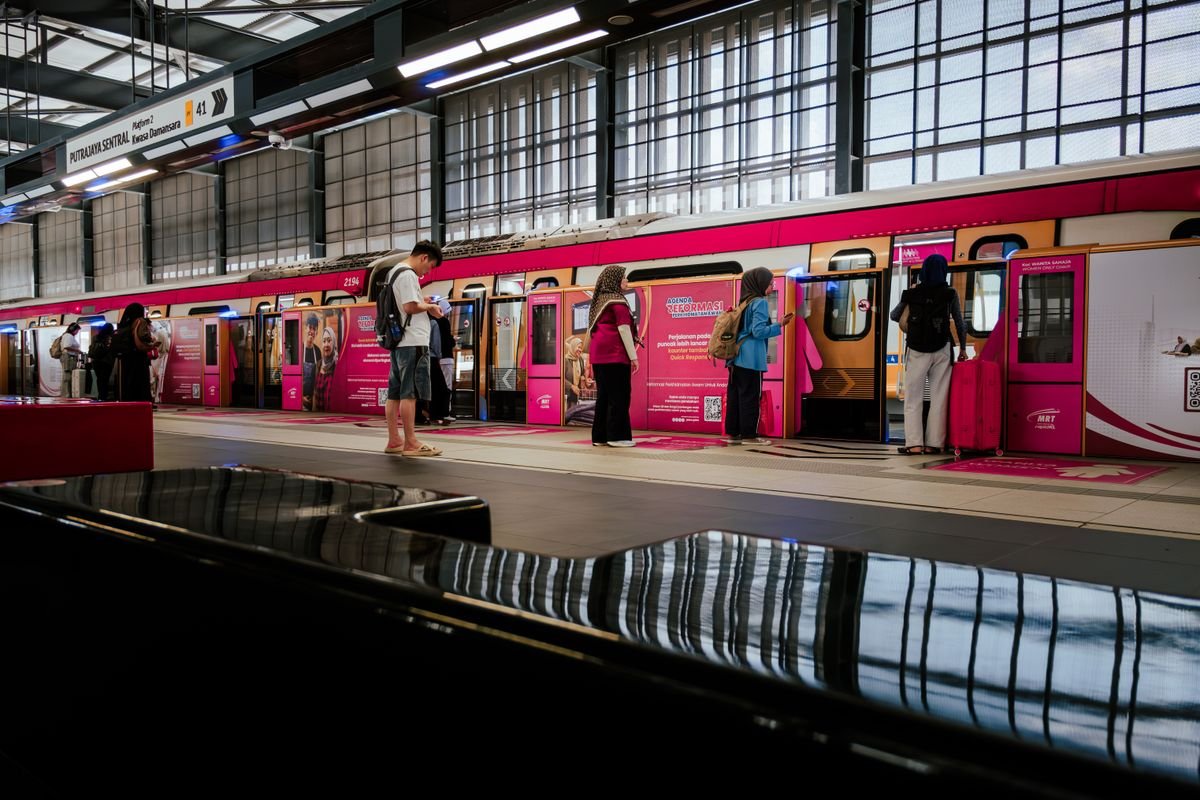
It also helps to remember that the RTS Link serves one checkpoint. Many JB residents work in Johor itself, and for them a new mall, school or industrial park can shift demand more than a cross-border train ever will.
Questions to settle before paying a deposit
How many minutes is the real walk to the station? What is the monthly maintenance fee, and how has it changed over recent years? How many competing units are due in the area over the next three years? Is the developer’s track record visible in completed, occupied buildings? Would you still want this unit if the RTS opened a year late? An honest answer to that last question is what separates a home decision from a speculative one.